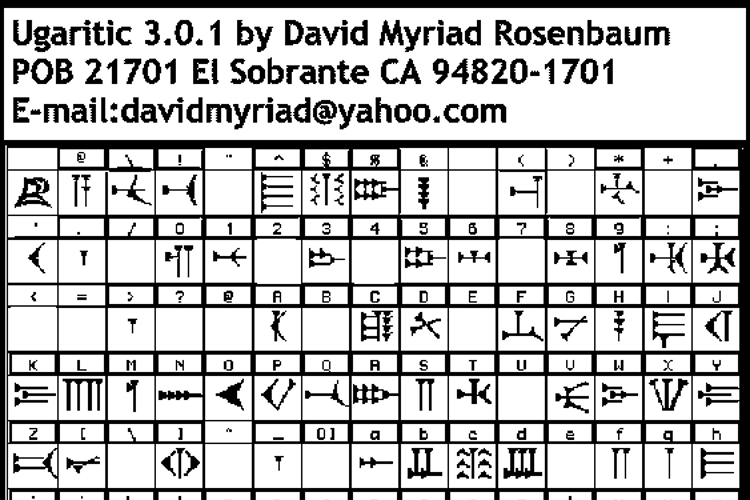
Ugaritic 3 Font

Designed by
Regular Style

More info from David Myriad Rosenbaum
Discovered in the ruins of a Syrian temple in Ras Shamara, this
alphabet dates from 1,400 BC; it's use ended around 1,200 BC with
the destruction of the city of Ugarit. Derived from both syllabic
(symbols representing spoken syllables) cuneiform and contemporary
Phoenician alphabets, it is the first cuneiform alphabet; the
letters were scratched onto wet clay tablets with a stylus. The
order of the letters closely follows the arrangement of the
Phoenician and Hebrew letters. Unlike these neighboring alphabets,
it is consistently written from left to right.
The alphabet consists of thirty letters and a word divider symbol;
only administrative texts included the full alphabet, since they
needed the final three letters to represent sounds in the
neighboring Hurrian language. The literary texts in the local
language include a mythological cycle concerning Ba'al Hadad --
the Lord of Thunder, as well as stories of legendary heros. The
fragments that have survived give a taste of the treasures of the
lost Canaanite culture.
License Info
Donations
Commercial licenses
Ugaritic 3 Font Stats
Ugaritic 3 Font is a Cuneiform font and was created on . Ugaritic 3 Font has been downloaded 10,641 times, added to 76 collections, and liked 8 times.
Ugaritic 3 Font was recently updated on Jul 25, 2019